Things to do in Aswan that are not a temple visit, from a felucca at sunset to a night in the souk
Things to do in Aswan that are not a temple visit, from a felucca at sunset to a night in the souk
The best things to do in Aswan happen on the water and after dark, not inside a ticket gate. Sail a felucca between the granite islands at sunset. Take a motorboat to a Nubian village and stay for dinner. Walk the souk once the heat drops and the locals come out. Have tea on the old hotel terrace, swim off a sandbank, ride a camel to the desert monastery and look for kingfishers at dawn. Give it two full days, a third for Lake Nasser or Abu Simbel. Below is each experience, how it works, and the order that makes a short stay feel long.
Why Aswan is a city you do, not a city you see
Every first-timer arrives in Aswan with a checklist: Philae, the High Dam, the Unfinished Obelisk, the Nubian Museum. Those are worth your mornings, and we cover them one by one in our guide to what to see in Aswan. This page is deliberately about everything else.
Aswan is the one stop on an Egypt trip where the best hours are not spent looking at carved stone. The Nile breaks into channels around granite islands, the desert comes down to the water on the west bank, and the people are Nubian, with their own language, music and painted houses. The travelers who love Aswan most put the ticket list away by noon.
Treat what follows as a menu, not a route. With a single day, the felucca and the Nubian village are the two not to skip.
Sail a felucca at sunset between the islands
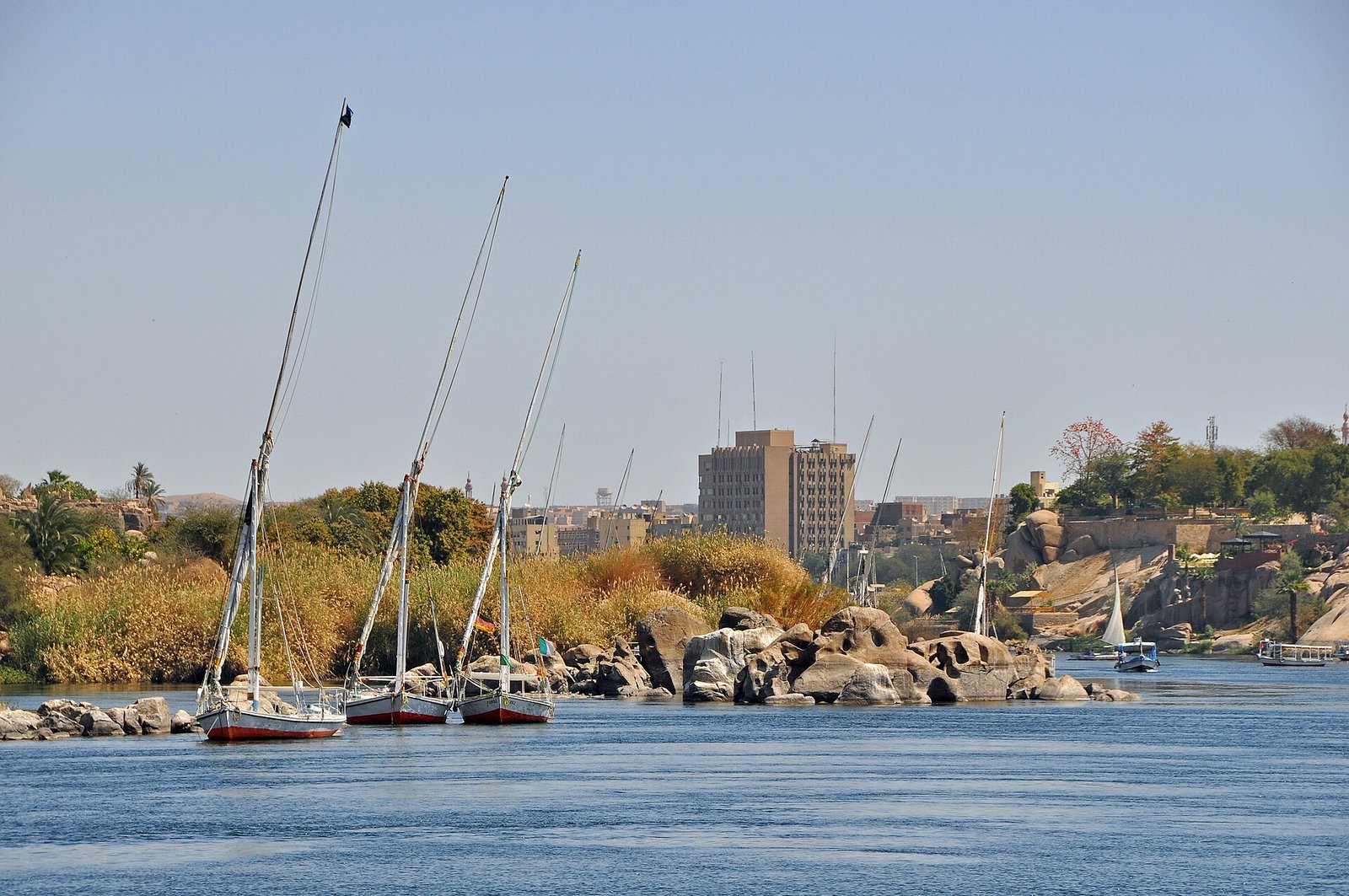
A felucca is the white-sailed wooden boat in every photograph of Aswan, and sailing one at the end of the day is the single best thing to do in the city. There is no engine. The captain, usually Nubian and usually barefoot, reads the north wind and tacks between Elephantine Island, the botanical island and the boulders of the first cataract while the sun drops behind the dunes of the west bank.
Timing is everything. Start about ninety minutes before sunset, so you get the golden light on the sand, the sunset itself, and the ten minutes afterward when the sky goes pink and every other boat becomes a silhouette. Earlier the light is flat; later the wind dies and the captain ends up rowing.
- Sit on the windward cushions and switch sides when the captain tacks.
- Bring a light layer in winter. The river cools fast once the sun is gone.
- Let your guide arrange the boat, not the men who hail you from the sidewalk.
Our guide to a felucca ride on the Nile compares this short Aswan sail with the overnight felucca trips toward Kom Ombo, which are a different animal.
Take a motorboat to a Nubian village and stay for dinner
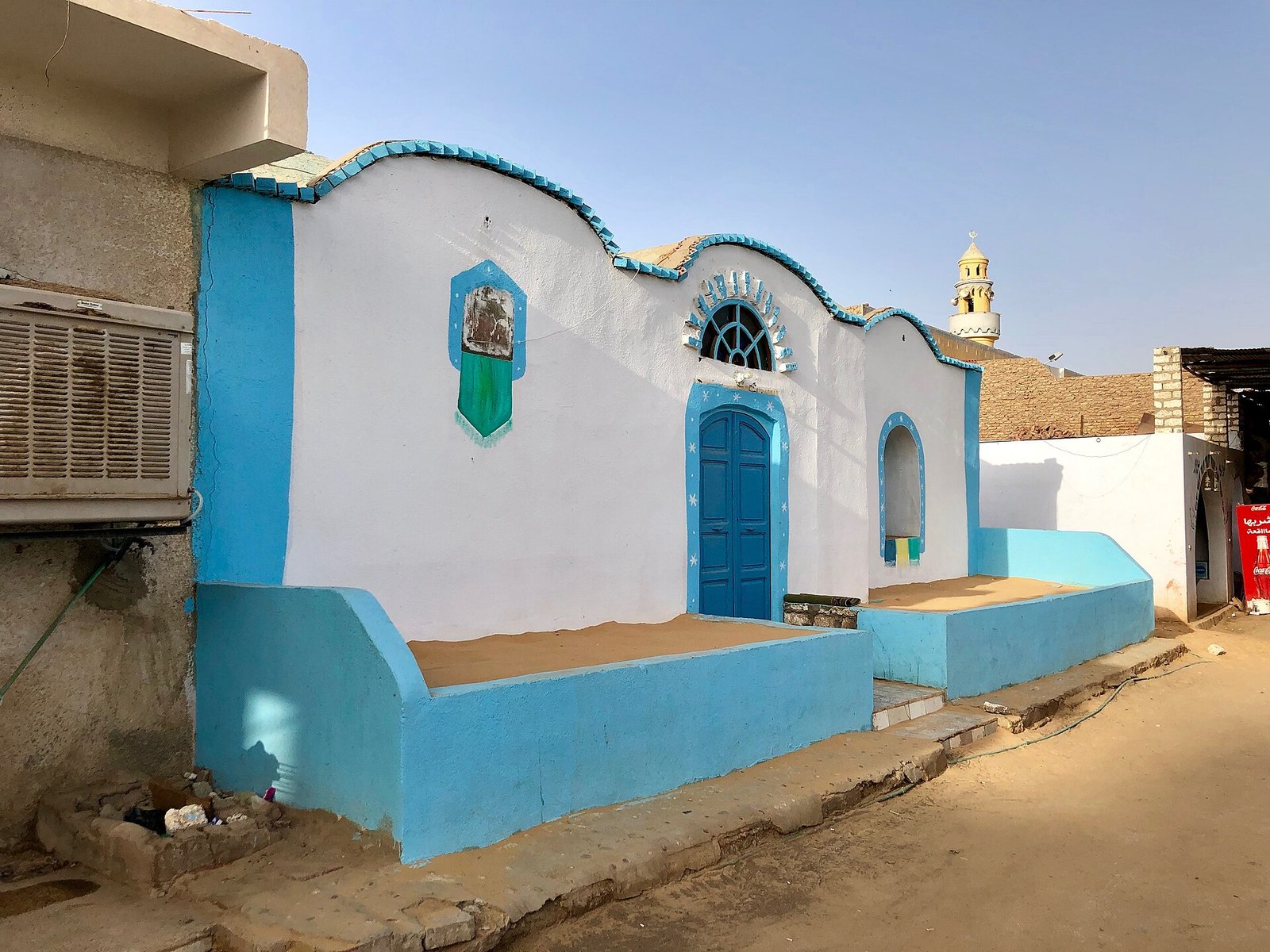
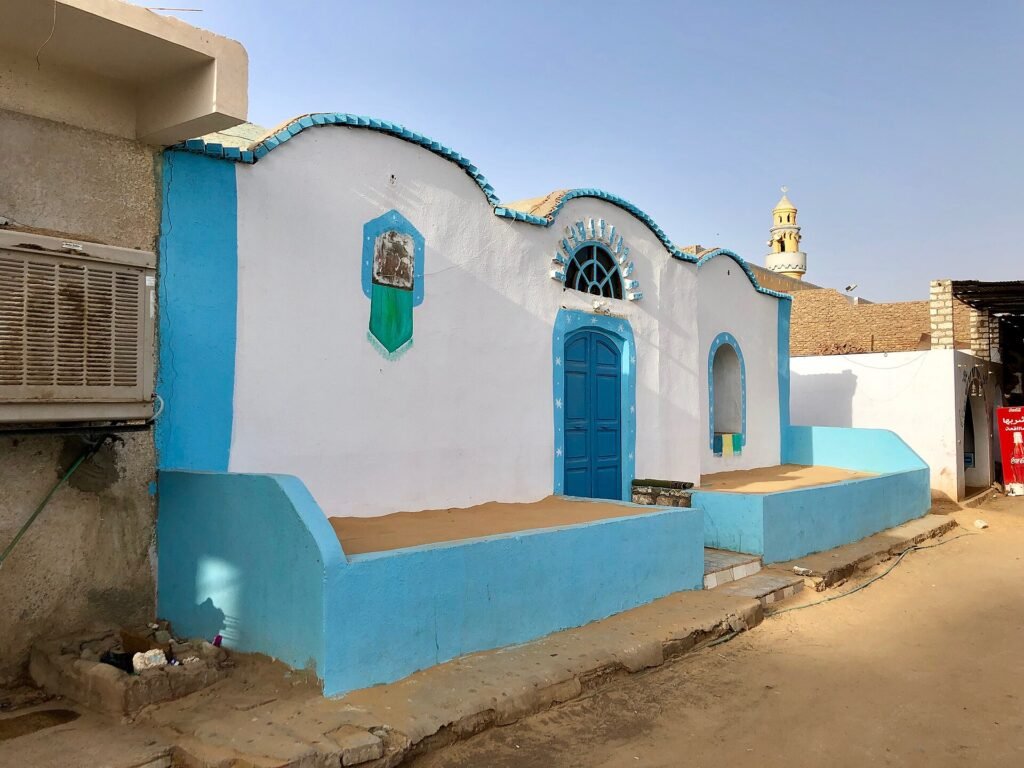
The Nubian villages sit on the west bank and the islands south of the city, and the way you reach them is half the point. A motorboat picks you up in the late afternoon, runs upriver through the cataract channels, and drops you where the houses start: domed roofs, doors painted with crocodiles and palms, walls in blue, lime green and mustard yellow.
The village most visitors go to is Gharb Soheil, about half an hour by boat. Yes, the main lane has stalls. Walk past them. Ten minutes in, children are playing soccer against a painted wall and the families who host visitors are genuinely hosting. You sit on cushions in a courtyard, a grandmother makes hibiscus tea, and the henna is drawn by a woman who has done it since she was a girl.
Stay for dinner rather than the tea-and-leave version. Nubian home cooking is its own cuisine: okra or molokhia stew, a whole tilapia from the river, lentils, rice with vermicelli, and shamsi bread left to rise in the sun. You eat as the light fades, then the boat takes you back downriver in the dark. It is the evening people talk about when they get home.
The etiquette, the history of the displacement after the dam, and what not to photograph are in our guide to visiting a Nubian village in Aswan. Read it before you go.
Walk the souk after dark
Aswan's market runs along one long street a block back from the corniche, and it is the most pleasant souk in Egypt by a wide margin. It is a town market first and a tourist market second. Fruit, fabric and kitchen pans share the street with spice pyramids and scarf stalls, and the vendors call out but do not follow you.
Go after dark. In the middle of the day the street is half shuttered and empty. From an hour after sunset it fills with local families shopping for dinner, the spice stalls light up and the smell of grilled corn drifts the whole length of it.
Worth buying here rather than in Cairo:
- Karkade. Dried hibiscus sold loose from sacks, darker and stronger than the northern crop, and weightless in a suitcase.
- Spices. Cumin, dried lime and dukkah blends. Buy whole, not ground, and have the vendor seal the bag.
- Nubian baskets and woven plates. Palm fiber in geometric patterns you will not find in the Cairo bazaar.
- Cotton scarves and galabeyas. Less pushy than at the pyramids, and you can try things on.
Haggle gently; the opening number settles quickly and the mood stays friendly.
Have tea on the terrace of the historic hotel above the river
Aswan has one of those grand old hotels from the era when Europeans came south for the winter, a long building of arches and verandas on a granite bluff at the southern end of the corniche, facing Elephantine Island. You do not need to stay there. Go up to the terrace in the late afternoon, take a table at the railing and order tea.
The view is the whole reason. Below you the feluccas line up for the sunset run, the ruins on the tip of Elephantine catch the low sun, and the dunes on the west bank turn from yellow to orange to deep red before the lights of the Aga Khan mausoleum come on. It is the view Agatha Christie wrote about, and it has barely changed.
- Non-guests are normally welcome, but the hotel sets a minimum spend and may want a reservation in high season. Have your guide call ahead.
- Dress a notch up from sightseeing clothes: long trousers and a shirt with sleeves are enough.
- Arrive an hour before sunset for a railing table, then walk down to the landing below and sail.
Swim from a sandbank and wander the botanical island
Two things people do not expect to do in Aswan: swim in the Nile, and walk through a tropical garden.
The sandbank swim
South of the islands, where the river spreads among granite boulders, there are sandbars that stand a few inches above the water in the afternoon. A boat drops you on one, you wade in from clean yellow sand and swim in clear, fast-moving water with desert on both banks. Locals swim here all year. It is safe with a Nubian boatman who picks the right bar and keeps the boat beside you. Never swim from the corniche or the city side of the islands.
The water is warm from April to October and bracing in winter, when the air may be 75°F (24°C) at midday but the river is far cooler. Bring swim shoes and a dry bag.
The botanical island
The island just west of Elephantine was given to a British general in the nineteenth century, and he planted it with trees from India, Southeast Asia and Africa. Today it is a public garden of royal palms, sausage trees, sandalwood and a great many birds. Go by felucca, walk the central avenue to the southern tip for the view over the cataract, and come back through the shaded paths in the late afternoon.
Ride a camel to the monastery of St Simeon
On the west bank, behind the dunes you watch from the terrace, stands one of the largest early Christian monasteries in Egypt. Built in the seventh century and abandoned around the thirteenth, it is a fortress of mudbrick and stone with a church, a refectory and monks' cells with their sleeping benches still in place. Almost nobody goes, which is exactly why you should.
The classic way up is by camel. A boat crosses to the west bank landing near the Tombs of the Nobles, the drivers are waiting, and the ride through the dunes takes twenty to thirty minutes until the monastery appears over the last ridge like a mirage. You can also walk it in about forty minutes, pleasant in winter and punishing in summer.
Make it a morning. The dunes are cool at eight and you are back on the river before the sun gets serious. The animals are calm and the drivers walk alongside, far gentler than the pyramids circuit.
Birdwatching at dawn on the cataract
Aswan sits on a migration flyway and the cataract islands are a protected area, which makes it one of the easiest places in Egypt to see a lot of birds in a short time. You need a small boat, a guide who knows the channels, and the first hour after sunrise.
Ask for the engine cut in the quiet channels. Between the boulders and the reed beds you will see pied kingfishers hovering and diving, purple herons, cattle egrets, hoopoes on the banks, Egyptian geese with goslings in spring, and in winter a good chance of ospreys. The protected islands south of the botanical garden are the richest stretch.
Bring binoculars if you have them. Two hours is enough, and you are back for a late breakfast with the whole day ahead.
Walk Elephantine Island and spend the evening at the Nubian Museum
Elephantine is the big island opposite the corniche, and most cruise passengers only see its southern tip from the water. Take the public ferry from the landing by the market and walk it. The southern end has the ruins of the ancient town of Abu, the temple of Khnum and one of the oldest Nilometers on the river, a stone staircase with flood marks cut into the walls.
The rest of the island is two Nubian villages, Siou and Koti, with painted houses, palm groves, goats in the lanes and no cars. Follow the west shore path for the view across to the dunes, stop for tea wherever someone has put chairs under a tree, and allow two to three hours.
Save the Nubian Museum for after sunset. Built into the granite on the hill above the old hotel, it tells the story of Nubia from prehistory to the villages drowned by Lake Nasser, and it is one of the best museums in the country. It has traditionally kept evening hours, and the galleries are far more pleasant once the heat has gone; check the current opening times, which change with the season.
A day on Lake Nasser, and Abu Simbel
The two big days out from Aswan go south, onto the largest man-made lake in Africa.
A day on Lake Nasser means a boat from the harbor above the High Dam to the temples of Kalabsha, Beit el-Wali and the kiosk of Kertassi, all moved stone by stone to an island when the lake rose, and all nearly empty of visitors. The lake is the real attraction: enormous, still, with nothing on the horizon. With more time, a multi-day Lake Nasser cruise sails the whole length to Abu Simbel past the Nubian temples no road reaches.
Abu Simbel is the day trip almost everyone adds, and it deserves its reputation. By road it is about three hours each way and the convoy leaves before dawn, so you arrive with the sun on the facade. A short domestic flight from Aswan airport has you back by lunch. Either way it is a day you do not spend in Aswan. Road versus air and the ticket logistics are in our guide to Abu Simbel tickets and how to visit.
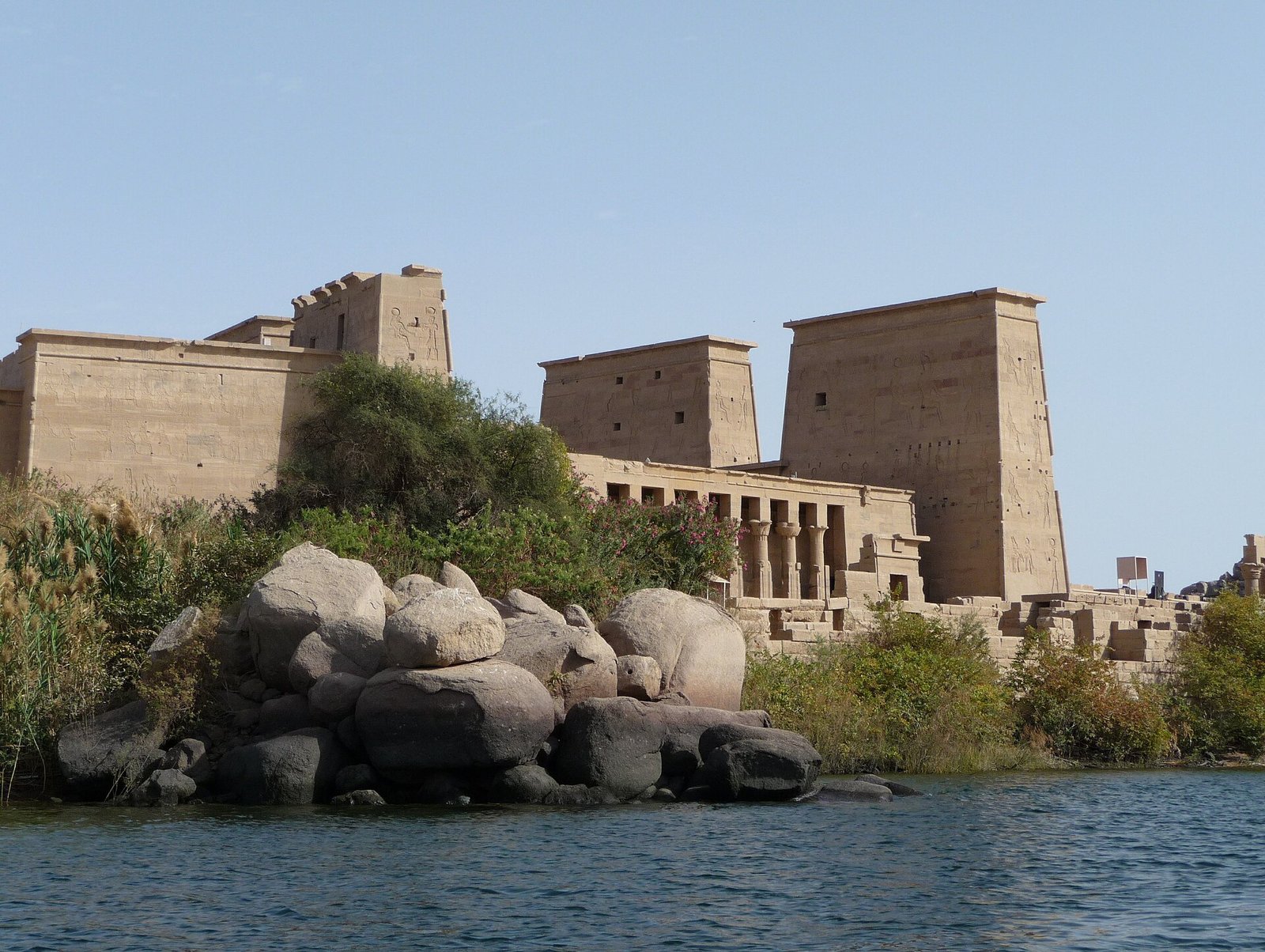
And if you want one monument on this list, let it be the boat to Philae. The temple of Isis sits on an island reached by motorboat, and the approach across the water is the best five minutes of any Aswan morning. Our Philae temple guide tells the story of its rescue from the rising water.
How to fit it all in: two days and three days in Aswan
Aswan is not a city for cramming. The best activities cluster around dawn and dusk, and this is how we lay it out for our own guests.
| Time | Day 1 | Day 2 | Day 3 (optional) |
|---|---|---|---|
| Dawn to mid-morning | Philae by boat, then the High Dam and the Unfinished Obelisk | Birdwatching on the cataract, then camel to St Simeon | Abu Simbel by road or air, or a Lake Nasser day boat |
| Midday | Long lunch, rest, pool | Sandbank swim on the way back | On the road or on the lake |
| Late afternoon | Tea on the old hotel terrace, then a sunset felucca | Ferry to Elephantine and the villages | Return to Aswan |
| Evening | Souk after dark, dinner in town | Motorboat to the Nubian village for dinner | Nubian Museum, farewell walk on the corniche |
Arriving on a Nile cruise, you usually get a day and a half, and the cruise covers Philae, the dam and the obelisk. That leaves the felucca, the village dinner and the souk. Staying in a hotel, three nights is the sweet spot. Our guide to Aswan excursions lists every outing we run from the city and how long each one takes.
One note on the calendar. From October to April Aswan is close to perfect, with afternoons around 75 to 85°F (24 to 29°C) and cool evenings. From June to August it regularly passes 105°F (40°C); the evening activities still work, but the midday plan becomes the pool. Our guide to the best time to visit Egypt has the month by month picture.
Frequently asked questions
How many days do you need in Aswan?
Two full days covers the monuments in the mornings and the river experiences in the afternoons and evenings. Three days lets you add Abu Simbel or a day on Lake Nasser without giving up the sunset felucca or the Nubian village dinner. Arriving on a Nile cruise you get about a day and a half, enough for the felucca, the souk and the village.
Is it safe to swim in the Nile at Aswan?
On the sandbanks south of the city, with a Nubian boatman who knows the current, yes. The water there is clear, fast-moving and used by local families all year. Do not swim from the corniche, near the docks or on the city side of the islands, where the water is slower and there is boat traffic. Wear swim shoes and keep the boat beside you.
What is the best time of day for the felucca ride?
Start about ninety minutes before sunset. That gives you the golden light on the dunes, the sunset behind the west bank, and the afterglow with the boats in silhouette. Earlier the light is harsh; after dark the wind drops and the captain has to row. In winter bring a layer.
Can you do Abu Simbel and still enjoy Aswan in one trip?
Yes, but count Abu Simbel as a full day, whether you go by road in the early convoy or by the short domestic flight from Aswan airport. Give Aswan itself two days around it, or at minimum one full day, so the felucca and the Nubian village are not squeezed out.
Is the Nubian village visit touristy?
The landing and the first lane are, with stalls and painted signs. Walk past them and it becomes a real village where people live, cook and raise children. The difference is who takes you: a guide with family in the village brings you into a home rather than a show house, and staying for dinner instead of a quick tea changes the evening completely.
What should I wear for a day in Aswan?
Light cotton or linen, long trousers or a long skirt, a shirt with sleeves, a hat and real sunscreen. Closed shoes for the camel ride, sandals or swim shoes for the boat and the sandbank. Something a notch smarter for the hotel terrace, and a light sweater for the felucca in winter.
Let Aswan be the slow part of your Egypt trip
Tell us your dates, whether you arrive by cruise, train or a domestic flight from Cairo, and which of these experiences you want most. We come back with a day by day Aswan plan, the boats, the family dinner and the guide already arranged, and the quote in your inbox. We are a local agency with our own guides and vehicles in Aswan.